A view on sustainable development in the Iberian Peninsula
The world is changing and natural resources are being depleted at a pace that the European scientific community considers worrying. Thanks to its privileged geography, its Mediterranean light and its farming tradition, Spain is going through a quiet transition towards new sources of energy. This transformation, far from being an isolated chapter, is part of a shared effort to protect nature for our children and to restore the balance that the territory had on pause for decades.
The Lendovaria initiative was born with an educational purpose: to explain, without unnecessary jargon, how the development of renewables, the modernisation of rural areas and environmental education can coexist with the preservation of the rural heritage. We believe in a calm, productive and clean Spain, where the future is built with patience, verifiable data and citizen participation.
Global warming and the Iberian response

Global warming is no longer a distant scenario. Average temperatures in the Iberian peninsula have risen approximately 1.7 degrees since the pre-industrial era, according to records from the national meteorological observatory. Summers are longer, winters are milder and drought episodes affect regions that traditionally had abundant water. In response to this reality, public authorities, universities and rural cooperatives have joined forces to cut emissions and protect the most vulnerable ecosystems.
The protection of biodiversity, the reforestation of burnt land and the restoration of wetlands are three pillars that shape the environmental agenda until 2030. Each recovered hectare is a step towards a more stable future, where rivers flow again and forests recover their role as climate regulators.
Spain's role in European green energy

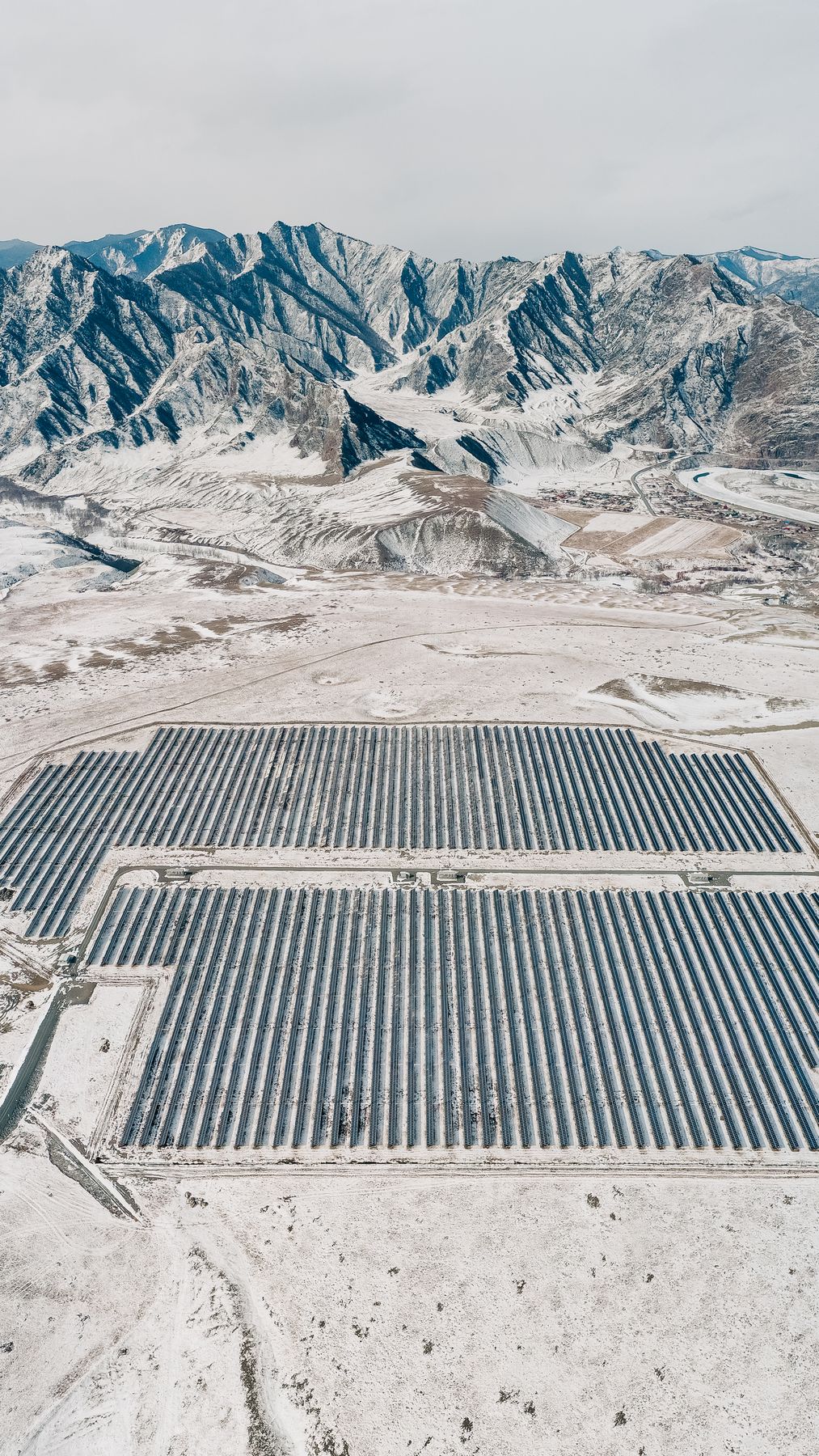
With more than 2,500 hours of sunshine a year in much of the country, Spain has become one of the most active European players in the development of solar photovoltaic energy. The installed capacity continues to grow thanks to the cooperation between regional governments, town councils and Spanish energy companies that bet on local projects, self-consumption and local energy communities.
The national commitment to the 2030 carbon footprint targets sets a significant reduction in emissions and a substantial increase in the share of renewables in the energy mix. These goals are not just numbers: they represent the will of a country that understands that the protection of the environment and social well-being go hand in hand. Onshore wind, solar thermal and, in the near future, smart grids will be pillars of this energy architecture.
The future of agriculture: Agriculture 5.0

The Spanish primary sector has been adapting to the climate for centuries. Today, however, technological innovation enables a qualitative leap: soil moisture sensors, low-power telemetry, precision irrigation and predictive models help family farms save water, cut input use and improve crop quality. This convergence between tradition and technology is what we call Agriculture 5.0.
The future of the countryside depends on continuous training for the people who live there, stable digital connectivity in rural areas and an institutional framework that rewards regenerative practices. The protection of fertile soil, the responsible management of aquifers and the promotion of native varieties are key pieces of a mosaic that looks ahead with serenity.
An invitation to shared development
The «Green Spain» concept is not an advertising slogan but a long-term framework. It involves everyday decisions, simple habits and public policies aligned with science. Every reader who stays informed, every neighbour who separates waste, every farmer who adopts efficient irrigation and every student trained in sustainability contributes to this collective project.
From Lendovaria we will continue publishing analyses, interviews and features so that knowledge about renewables, the protection of nature and smart agriculture is within everyone's reach. Because the future is not inherited: it is built day by day.